
Who Are the Bhatias?
The Thathai Bhatia community traces its origins to the Bhatti clan of Jaisalmer in
Rajasthan, in undivided India. Around the 14th century, members of the community
migrated to the historic province of Thatta in Sindh (now in Pakistan).
Over time, they came to be known as Thathai Bhatias—a name that reflects
both their roots and their journey.
In the 18th century, the community embraced Vaishnavism, following the Pushtimarg
tradition. This spiritual shift profoundly influenced their lifestyle and food habits.
They adopted a strictly vegetarian diet and consciously excluded onion and garlic
from their cuisine, aligning their food practices with principles of purity and devotion.
Following the Partition of India in 1947, Thathai Bhatias dispersed across various
parts of India and gradually established themselves across the globe, with a
strong presence in the Middle East—particularly in Bahrain, the UAE, and Oman.
Evolution of Thathai Bhatia Cuisine
The culinary traditions of the Thathai Bhatias are deeply rooted in geography, climate,
and faith. Thatta, much like parts of Rajasthan, was characterized by arid conditions
and a hot climate. In earlier times, cooking was a slow process, relying on wood or
charcoal. This led to the evolution of a cuisine that is simple, efficient, and
yet remarkably flavourful.
Bhatia cooking emphasizes fresh vegetables and lentils, prepared with minimal spices
and great care to preserve their natural taste. Strong, pungent ingredients such as
onion and garlic were consciously avoided—not only because they required longer
cooking, but also due to their classification as tamsic (impure) in spiritual terms.
Food, in Bhatia households, is not merely sustenance—it is an offering. The ritual of
Bhog Dharanu involves presenting freshly prepared food to God before it is consumed.
This act is a gesture of gratitude and devotion, with the belief that the food is blessed
before being shared among family members as prasad. This tradition continues
to be an integral part of many households even today.
Faith, Fasting, and Feasting
The Thathai Bhatia community is deeply spiritual, with religious observances woven
into daily life. Fasting plays an important role, particularly on Ekadashi (Bhatias call
this Igyas), which falls twice a month on the 11th day of the lunar calendar.
The number eleven holds symbolic significance, representing the mind as the eleventh
organ beyond the ten senses. Fasting on Ekadashi is believed to promote mental clarity,
discipline, and spiritual focus. Meals on this day are simple—often consisting of fruits,
nuts, and light preparations—allowing one to turn inward and dedicate time to prayer.

In contrast, festivals such as Holi, Dussehra, and Diwali are occasions of joyous
indulgence. One of the most celebrated traditions is Ankoot (or Chhappan Bhog),
observed the day after Diwali, where 56 different dishes are lovingly prepared and
offered to God.
The spread includes an elaborate variety of sweets, savouries, rice preparations,
lentils, papads, and traditional breads—showcasing the richness of the cuisine.

The Essence of Bhatia Cooking
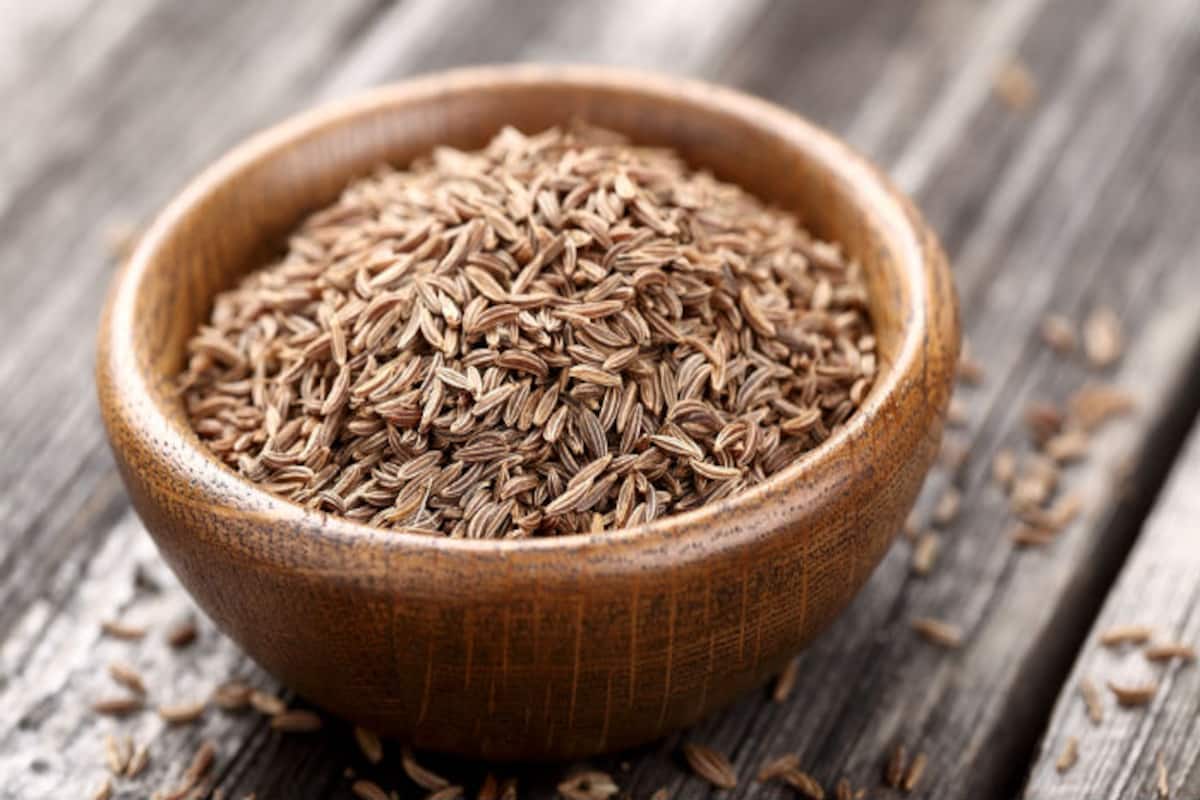
At its heart, Thathai Bhatia cuisine is defined by simplicity and balance. The base flavors
are often built using asafoetida (hing) or cumin (jeera), which serve as substitutes for
onion and garlic while also aiding digestion through their medicinal properties.

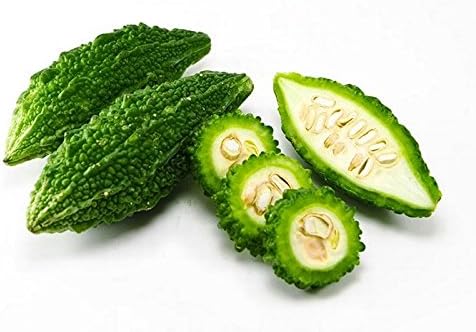
The choice of vegetables reflects the community’s historical landscape—ingredients
such as brinjal (baingan/vanghar), courgette (turai), and bitter gourd (karela) feature
prominently. Cooking techniques are uncomplicated, allowing the inherent flavors
of the ingredients to shine.


Garnishing is minimal, typically limited to fresh coriander leaves or a hint of lime. Even the structure of a meal is distinctive—Bhatias traditionally begin with rice and then move on to breads such as rotis, phulkas, or puris, a sequence that sets them apart from many other Indian communities.
A Cuisine Rooted in Simplicity
The true sophistication of Thathai Bhatia cuisine lies in its understated elegance.
It is a cuisine that celebrates restraint, respects tradition, and nourishes
both body and soul.
The recipes featured on this site reflect the everyday food of the Bhatia household—
simple to understand, wholesome to prepare, and deeply satisfying to eat.
Enjoy… Panja Khada!