
DAHI WADA
(Lentil Fritters in Curd)

Recipe Overview
Dahi Wada is a classic preparation of soft, deep-fried lentil cakes soaked in water
and then immersed in seasoned curds. Light, tangy, and mildly spiced,
it is a refreshing dish that balances textures and flavours beautifully.
Recipe Details
– Cuisine: Indian / Sindhi–Bhatia
– Course: Snack / Accompaniment
– Diet: Vegetarian
– Servings: 4 – 5 servings
– Preparation Time: 20 minutes (+ soaking time)
– Cooking Time: 25 minutes
– Difficulty Level: Moderate
Ingredients
For the Wadas
– Horsebean lentil (Urad Dal) – 1 cup (moong dal can be added for a lighter texture)
– Green chillies – 4 nos.
– Black peppercorns – 4 nos.
– Ginger – ½” piece
– Cumin seeds – ¼ tsp.
– Salt – to taste
– Oil – for frying
For Soaking
– Water – sufficient (optionally seasoned with a pinch of salt and asafoetida)
For the Topping (Dahi)
– Curds (thick yogurt) – 3 cups
– Red chilli powder – 1 tsp.
– Cumin powder – 1 tsp.
– Coriander leaves (finely chopped) – 2 tblsp.
– Tamarind chutney – 2 tblsp. (optional) – https://panjakhada.com/chutney-mithi/
– Green chutney – 2 tblsp. (optional) – https://panjakhada.com/dharan-ji-chutney/
– Sugar or black salt – optional (to lightly season the curd)
Method
Step 1: Soak the Lentil

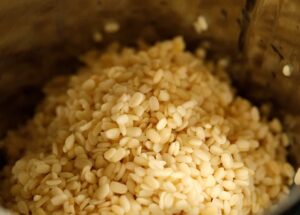
– Wash and soak the lentil in water for 3–4 hours.
– Drain completely before use.
Step 2: Prepare the Batter

– Grind the soaked lentil with minimal water to form a smooth, thick yet flowing batter.
Step 3: Flavour & Aerate
– Add chopped ginger, green chillies, cumin seeds, coarsely pounded peppercorns and salt.
– Whisk the batter vigorously in one direction for 8–10 minutes until light and fluffy.
Step 4: Check Readiness

– Drop a small portion of batter into water—if it floats, the batter is well aerated
and ready for frying.
Step 5: Fry the Wadas

– Heat oil in a kadai on a medium flame.
– Drop small portions of batter and deep-fry till golden brown.
– Ensure even cooking by not making the wadas too large.
Step 6: Soak the Wadas


– Remove and drain excess oil.
– Soak the fried wadas in warm water (optionally seasoned with salt and asafoetida)
for 15–20 minutes.
– Gently squeeze out excess water without breaking them.
Step 7: Prepare the Curds

– Whisk the curds till smooth and creamy.
– Optionally add a pinch of sugar or black salt and cumin powder for enhanced flavour.
Step 8: Assemble

– Dip the soaked wadas in the prepared curds and arrange on a serving dish.
– Top with more curds.
Step 9: Garnish

– Sprinkle red chilli powder, cumin powder and chopped coriander leaves.
– Optionally drizzle tamarind and green chutneys.
Serving Suggestions
– Serve chilled for best flavour
– Enjoy as a snack or as an accompaniment to meals
– Can be enhanced with both sweet and spicy chutneys for contrast
Chef’s Tip
– Proper aeration is the secret to soft, spongy wadas
– The soaking step is crucial—it improves texture and removes excess oil
– Adding a little moong dal to the batter results in lighter wadas
Quick Preparation Tips
– Aeration is Key: Always whisk the batter in one direction till light and fluffy
– The Water Test: Floating batter indicates correct consistency
– Soaking Enhances Texture: Use warm or lightly seasoned water for better absorption
Variations
– For lighter and softer wadas, replace up to half of the horsebean lentil with
split moong dal before grinding the batter.
– Some households add a small pinch of asafoetida directly to the batter to enhance
flavour and improve digestibility.
– For a richer festive version, a few raisins and finely chopped cashew nuts may be
added to the batter before frying.
– Sweetened curd may be used in place of plain seasoned curd, creating a gentle
sweet-and-tangy variation that is especially popular during festive meals.
– Some families garnish the finished dish with finely chopped fresh pomegranate seeds,
adding colour, freshness, and a pleasant contrast in texture.
– A healthier variation can be prepared by using an appe pan or paniyaram pan to cook the
batter with minimal oil instead of deep-frying, though the traditional version is always fried.
– In some Sindhi and Bhatia households, the soaked wadas are lightly seasoned with a pinch
of salt and asafoetida water before being immersed in curd, adding an extra layer of flavour.
– During summer months, Dahi Wada is often served well chilled with extra curd, making
it an especially cooling and refreshing accompaniment.
Storage & Make-Ahead Tips
– Fried wadas can be frozen in zip-lock bags for up to a month
– Reuse by soaking in warm water before assembling
– Store curd and wadas separately if preparing in advance
– Best consumed within 24 hours once assembled
Nutritional Insight
– Rich in plant-based protein from lentils
– Contains probiotics from curds
– Moderately rich due to deep frying
Did You Know?
The signature softness of Dahi Wada comes from trapped air in the batter—
traditional kitchens relied entirely on hand-whisking to achieve this perfect texture.
Cultural Notes
Dahi Wada is a festive favourite across Indian communities. In Bhatia cuisine,
it is often served during gatherings and special occasions, valued for its
cooling properties and its ability to balance rich, spicy meals.