
METHI VANGHAR
(Fenugreek with Aubergine Vegetable)

Recipe Overview
Methi Vanghar is a traditional Thathai Bhatia preparation that beautifully combines the soft,
silky texture of aubergine (brinjal) with the slightly bitter, aromatic flavour of fresh
fenugreek leaves (methi). The addition of Bengal gram lends a subtle nuttiness and bite,
making this dish both wholesome and satisfying.
A similar combination is widely known in North Indian cuisine as Methi Baingan, where
eggplant and fenugreek are paired to create a balanced dish—earthy, mildly bitter, and
deeply flavourful. While richer versions may include onions, tomatoes, and spices, the
Bhatia preparation remains simpler, allowing the natural flavours of the ingredients to shine.
Recipe Details
– Cuisine: Thathai Bhatia / Sindhi
– Course: Main / Vegetable Dish
– Preparation Time: 10 minutes (+ soaking time)
– Cooking Time: 30 minutes
– Total Time: ~40 minutes
– Serves: 3–4
Ingredients
– Brinjal / Aubergine (medium) – 4 nos.
– Fenugreek leaves – ½ bunch / 50 gms.
– Bengal gram (chana dal) – 2 tbsp.
– Asafoetida – a pinch
– Ghee – 2 tbsp.
– Salt – to taste
– Water – as required
Method
Step 1: Preparing the Lentil

– Soak the Bengal gram lentil in water for 3–4 hours prior to cooking.
Step 2: Preparing the Vegetables
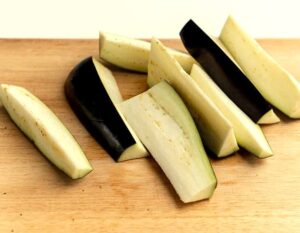

– Wash and cut the brinjals into long slices.
(Tip: Soaking in salted water for a few minutes can help prevent discoloration.)
– Clean and chop the fenugreek leaves finely.
Step 3: Tempering the Base
– In a kadai (wok), heat ghee on a medium flame.
– Add asafoetida and allow it to temper until aromatic.
Step 4: Cooking the Brinjal

– Add the brinjal slices and sauté lightly for 2–3 minutes, stirring occasionally.
(This helps retain texture and prevents mushiness.)
Step 5: Cooking the Lentil
– Add the soaked Bengal gram, salt, and a little water.
– Cover and cook until the lentil is partially done.
Step 6: Combining the Dish
– Add the chopped fenugreek leaves and mix well.
– Continue cooking until the lentil is tender and the brinjals are fully cooked.
Step 7: Mashing & Final Simmering
– Lightly mash the mixture to blend the textures (do not puree).
– Adjust seasoning and allow it to simmer for a few minutes.
Step 8: Final Step
– Remove from heat and serve hot.
Serving Suggestions

Methi Vanghar is traditionally served with:
– Phulko (soft flatbread) –https://panjakhada.com/phulko/
It can also pair well with simple rice preparations for a wholesome meal.
Chef’s Tips
– Soaking the Bengal gram ensures even cooking and a pleasant bite.
– Lightly sautéing the brinjal first helps prevent it from becoming too mushy.
– If the fenugreek leaves are too bitter, they can be lightly sautéed separately before adding.
– Avoid over-mashing to retain the rustic texture of the dish.
Variations


– Methi Vanghar with Moong Dal : Replace Bengal gram with soaked split green gram
(moong dal) for a lighter version that cooks more quickly and has a softer texture.
– Methi Vanghar with Potatoes : Add diced boiled potatoes along with the brinjal. The
potatoes help balance the slight bitterness of the fenugreek and make the dish more filling.
– Methi Vanghar with Tomatoes : Add chopped tomatoes during cooking to introduce
a gentle tang and create a slightly moist consistency.
– Spicy Methi Vanghar : Green chillies, red chilli powder, or crushed black pepper may be
increased for those who prefer a more pronounced heat.
– Methi Vanghar with Mixed Brinjals : Using a combination of purple and green brinjals
creates a more complex flavour profile while retaining the traditional character of the dish.
– Methi Vanghar with Dill Leaves : A small quantity of dill leaves (suva bhaji) can be combined
with the fenugreek, adding a distinctive aroma and depth of flavour.
Nutritional Insights
– Fenugreek leaves are rich in iron, fibre, and antioxidants.
– Brinjal provides dietary fibre and supports digestion.
– Bengal gram adds plant-based protein and satiety.
Storage & Make-Ahead Tips
– Best consumed fresh.
– Can be refrigerated for up to 1 day.
– Reheat gently before serving.
Did You Know?
– Fenugreek (methi) is widely valued for its digestive and blood sugar-regulating properties,
making it a staple in traditional Indian cooking.
Cultural Notes
Methi Vanghar reflects the Thathai Bhatia philosophy of simple, ingredient-led cooking,
while sharing culinary parallels with North Indian Methi Baingan—both showcasing
how the interplay of bitterness and earthiness can create a deeply satisfying dish.