
JEERAY DHAKA PIYA CHOKA
(Cumin & Raisin Pulao)
Recipe Overview
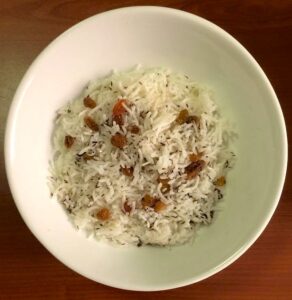
Jeeray Dhaka Piya Choka is a lightly flavoured Thathai Bhatia rice preparation, where
plain boiled rice is enhanced with a fragrant tempering of cumin seeds and sweet raisins.
Simple yet elegant, it serves as a delightful variation to everyday Choka.
Recipe Details
– Cuisine: Sindhi–Bhatia
– Course: Main (Rice Dish)
– Diet: Vegetarian
– Servings: 3–4
– Preparation Time: 10 minutes (+ soaking time)
– Cooking Time: 20 minutes
– Difficulty Level: Easy
Ingredients
Main Ingredients
– Rice – 1 cup
For Cooking
– Salt – to taste
For Tempering
– Ghee – ½ tsp
– Cumin seeds – ½ tsp
– Raisins – 10–12
Method
Step 1: Prepare the Rice


– Prepare boiled rice by following the Choka method up to the simmering stage.
Step 2: Prepare the Tempering

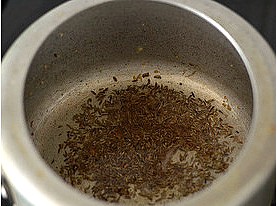
– Heat ghee in a small pan on medium flame.
– Add cumin seeds and allow them to splutter and turn aromatic.
– Add raisins and sauté briefly until they begin to swell.
Step 3: Combine
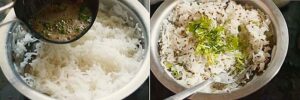
– Pour the tempering over the prepared rice.
– Mix gently to ensure even distribution without breaking the grains.
Step 4: Serve
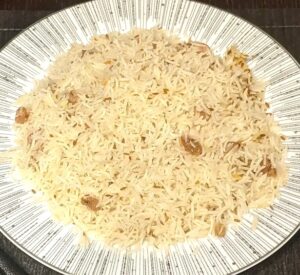
– Serve hot.
Chef’s Tip
Do not overcook the raisins—they should just swell slightly to retain their
natural sweetness and texture.
Serving Suggestions
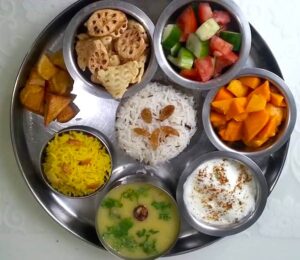
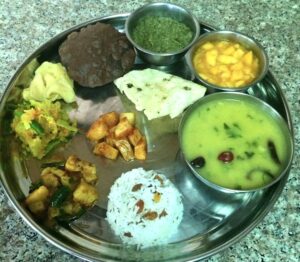
Serve Jeeray Dhaka Piya Choka as an alternative to plain rice.
It pairs especially well with:
– Teedali Poath – https://panjakhada.com/teedali-poath/
– Magha Methi – https://panjakhada.com/maghamethi/
Variations
– Cashew & Raisin Variation: Add a handful of cashews along with the raisins while
tempering for a richer texture and festive appeal.
– Saffron Variation: Infuse a few strands of saffron in warm milk and drizzle over the rice
before serving for added aroma and colour.
– Nut-Enriched Version: Include slivered almonds or pistachios to create a more
celebratory pulao suitable for special occasions.
– Browned Ghee Variation: Allow the ghee to brown slightly before adding the cumin seeds,
imparting a deeper, nuttier flavour to the dish.
– Sweeter Version: Increase the quantity of raisins for a more pronounced sweet–savoury
contrast, a flavour combination often appreciated in Bhatia cuisine.
– Jeera-Rich Variation: Add extra cumin seeds for a stronger earthy aroma and flavour.
– Red Rice Variation: Prepare the dish using traditional red rice instead of white rice
for a nuttier taste and additional fibre.
– Festival Variation: Garnish with fried nuts and a pinch of Tejano or saffron for festive
meals and ceremonial occasions.
Storage & Make-Ahead Tips
– Best enjoyed fresh
– Can be reheated gently with a small amount of ghee
Nutritional Insight
– Provides energy through carbohydrates
– Light and easy to digest
– Balanced with mild sweetness and aromatic spices
Did You Know?
The addition of raisins in savoury rice dishes is a hallmark of Bhatia cuisine,
reflecting its subtle balance of sweet and savoury flavours.
Cultural Significance
Jeeray Dhaka Piya Choka beautifully illustrates the Thathai Bhatia preference for subtle
flavour combinations, where simple ingredients are used to create elegant and satisfying
dishes. The pairing of aromatic cumin seeds with naturally sweet raisins reflects the
community’s fondness for balancing savoury and sweet notes within the same preparation.
Traditionally served as an alternative to plain Choka, this rice dish often appears during
family meals, special gatherings, and occasions when a slightly more festive
accompaniment is desired without resorting to heavily spiced preparations. Its simplicity
allows it to pair harmoniously with a wide range of vegetable dishes, dals, and curries.
The use of raisins in savoury rice preparations also reflects culinary influences
that travelled through Sindh and Rajasthan over generations, where dried fruits were
commonly incorporated into everyday cooking to add flavour, texture, and nutrition.
Jeeray Dhaka Piya Choka remains a fine example of how Thathai Bhatia cuisine elevates
humble ingredients through thoughtful combinations and restrained seasoning.