
THADAI
(Almond & Poppy seed Milk Cooler)
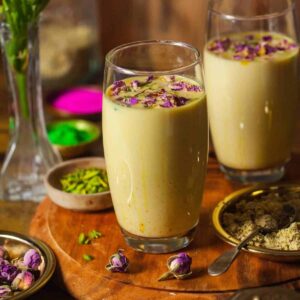
Recipe Overview
Thadai is a rich, aromatic milk-based cooler made with a blend of nuts, seeds, and spices.
Known for its refreshing and mildly spiced flavour, it is especially popular during the
summer months and festive occasions.
Recipe Details
– Cuisine: Indian / Sindhi–Bhatia
– Course: Beverage
– Diet: Vegetarian
– Servings: 3–4 glasses
– Preparation Time: 20 minutes (+ soaking time)
– Cooking Time: Nil
– Difficulty Level: Easy
Ingredients
For Thadai Masala
– Poppy seeds – ½ cup
– Black peppercorns – 2 tblsp.
– Green cardamom – 12–14 nos.
– Dry rose petals – 3 tblsp.
– Almonds – 15 nos.
– Aniseed – 1 tblsp.
– Dry sweet melon seeds – 1 tblsp.
– Cumin seeds – 1 tsp.
For Thadai
– Sugar – 3 tsp. (per glass)
– Milk – as required (chilled)
Method
Step 1: Prepare the Ingredients
– Soak the poppy seeds overnight.
– Soak the almonds for 30 minutes before preparation.
Step 2: Make Thadai Masala
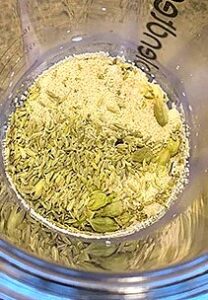
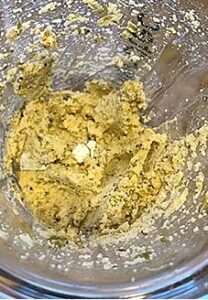
– Grind the soaked poppy seeds, almonds, and all remaining masala ingredients
(except milk and sugar) with a little water to form a smooth paste. This is the Thadai Masala.
Step 3: Prepare the Thadai
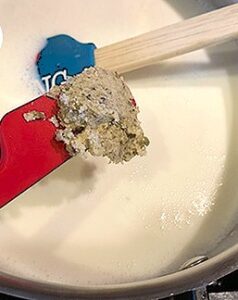
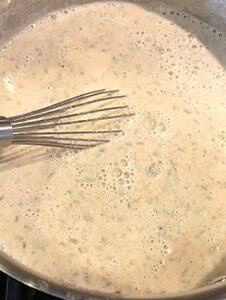
– In a glass, add 1 tablespoon of Thadai Masala.
– Pour in approximately ¾ glass of chilled milk and mix well until the milk turns a
light creamy colour.
Step 4: Strain & Sweeten
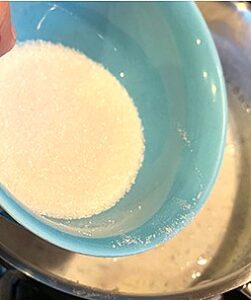
– Strain the mixture into another glass.
– Add sugar and mix thoroughly until dissolved.
Step 5: Serve
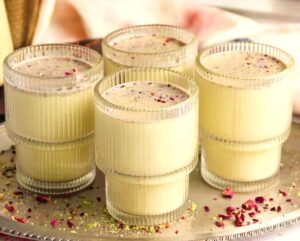
– Serve chilled for best taste and refreshment.
Serving Suggestions
– Serve Thadai well-chilled as a refreshing summer drink.
– It pairs well with light snacks or festive meals.
– Can be garnished with rose petals or slivered nuts for an enhanced presentation.
Chef’s Tip
– Adjust the spice level by increasing or reducing the quantity of black peppercorns.
– For a richer taste, use full-fat milk.
Variations
Thadai is highly adaptable, with each household creating its own signature blend based
on regional preferences, season, and occasion.
– Saffron Thadai: Add a few strands of saffron while grinding the masala or infuse them
in warm milk before mixing for a richer aroma and golden hue.
– Rose Thadai: Increase the quantity of dried rose petals or add a teaspoon of rose water
for a more pronounced floral flavour.
– Pepper-Rich Variation: Increase the amount of black peppercorns for a spicier,
more invigorating drink traditionally enjoyed during festive occasions.
– Fennel-Forward Variation: Add extra aniseed (fennel seeds) to create a sweeter,
more cooling flavour profile.
– Pistachio Thadai: Include a handful of pistachios along with the almonds for additional
richness and a subtle green colour.
– Vegan Variation: Replace dairy milk with almond, oat, or coconut milk for
a plant-based alternative.
– Jaggery-Sweetened Variation: Substitute sugar with powdered jaggery or date syrup
for a deeper, caramel-like sweetness.
– Festival Thadai: Add a pinch of Tejano (milk masala) for enhanced fragrance
and complexity during special occasions.
– Instant Thadai Mix: Dry-roast and grind all the ingredients (except the soaked poppy seeds)
into a powder. Store in an airtight container and blend with soaked poppy seeds and
chilled milk when required for quicker preparation.
Nutritional Insights
– Rich in healthy fats from nuts and seeds
– Provides natural cooling properties
– Good source of protein and essential minerals
– Moderately high in calories due to nuts and milk
Storage & Make-Ahead Tips
– Thadai Masala can be prepared in advance and refrigerated for 3–4 days
– Store in an airtight container for best freshness
– Prepared Thadai should be consumed immediately for optimal flavour
Did You Know?
Thadai is traditionally consumed during festivals and hot weather due to its cooling
ingredients like poppy seeds and rose petals, which help regulate body heat.
Cultural Notes
Thadai holds a special place in Sindhi–Bhatia households as a traditional summer cooler.
The proportions of spices and ingredients vary across families, with some preferring a
spicier version by increasing peppercorns, while others keep it milder and sweeter. It reflects
a balance of flavour, nourishment, and seasonal wisdom passed down through generations.